Back
AiTrust platform

The AI digital worker platform.

Processes, AI digital workers, models, knowledge and tools in one work environment. AI Governance with built-in policies covers every stage, that is, data, actions, results and people’s decisions.

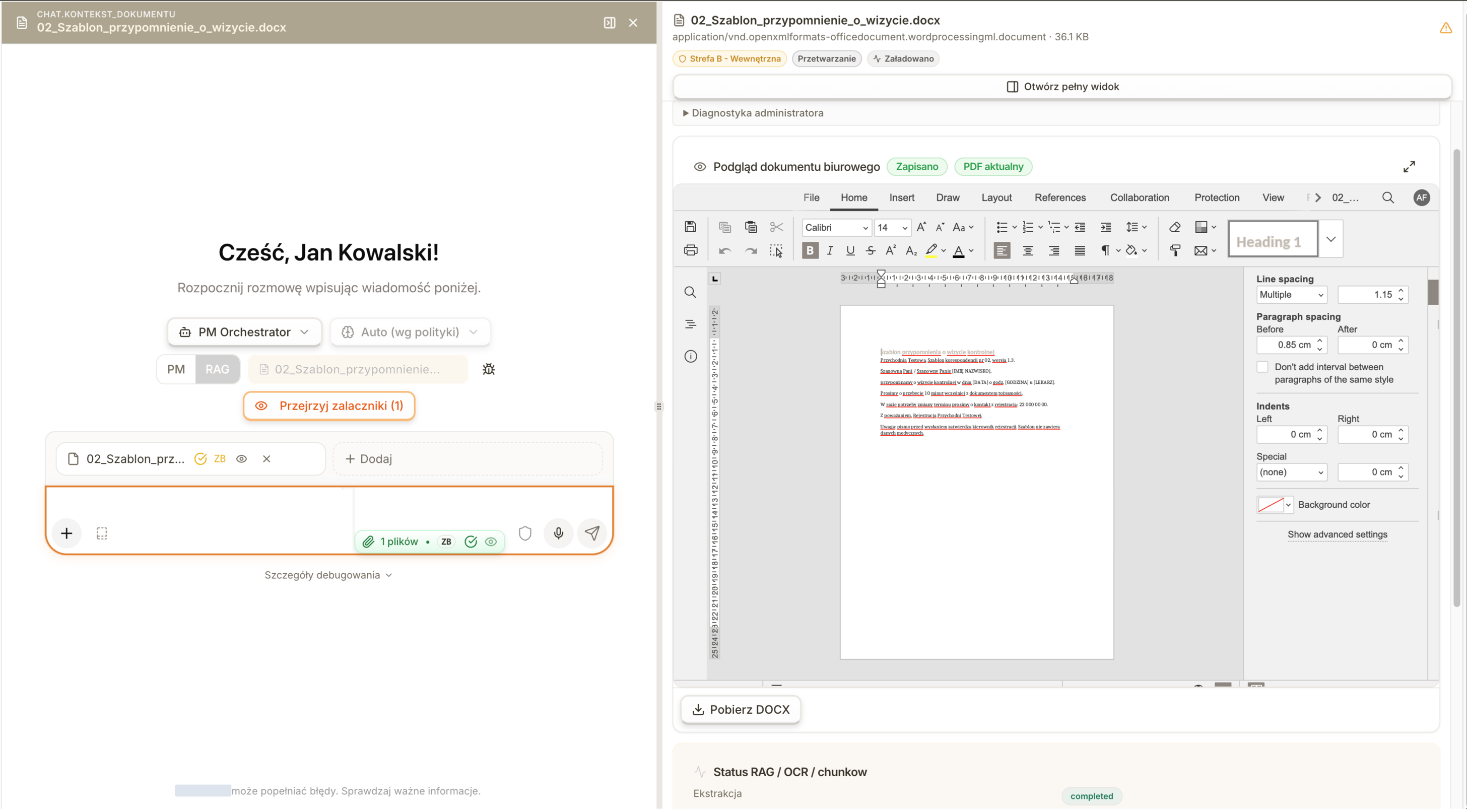
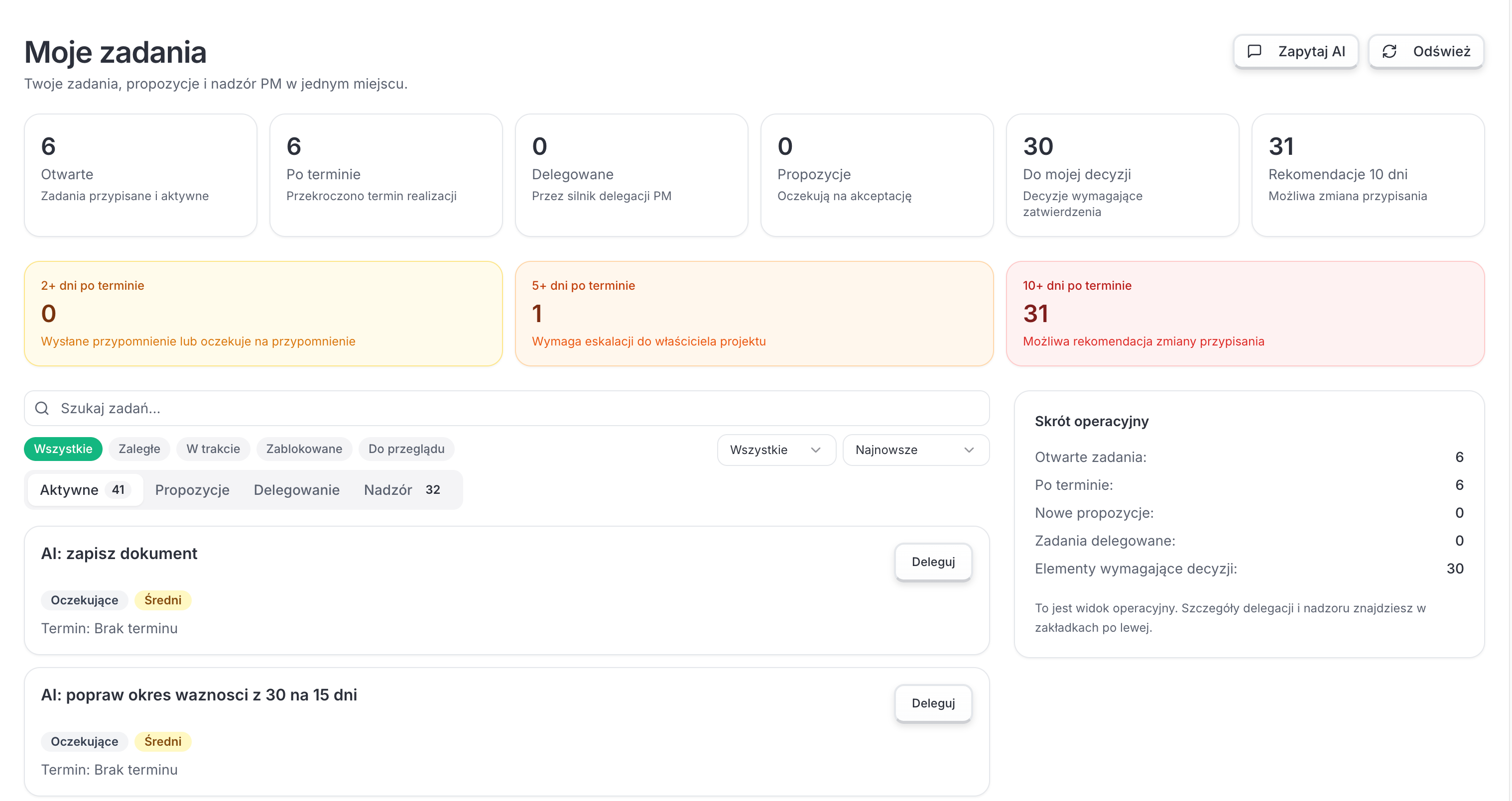
Real AiTrust application screen, a conversation with an AI digital worker next to the document editor
In the application

AiTrust application features

Choose a feature to see it on a real application screen.

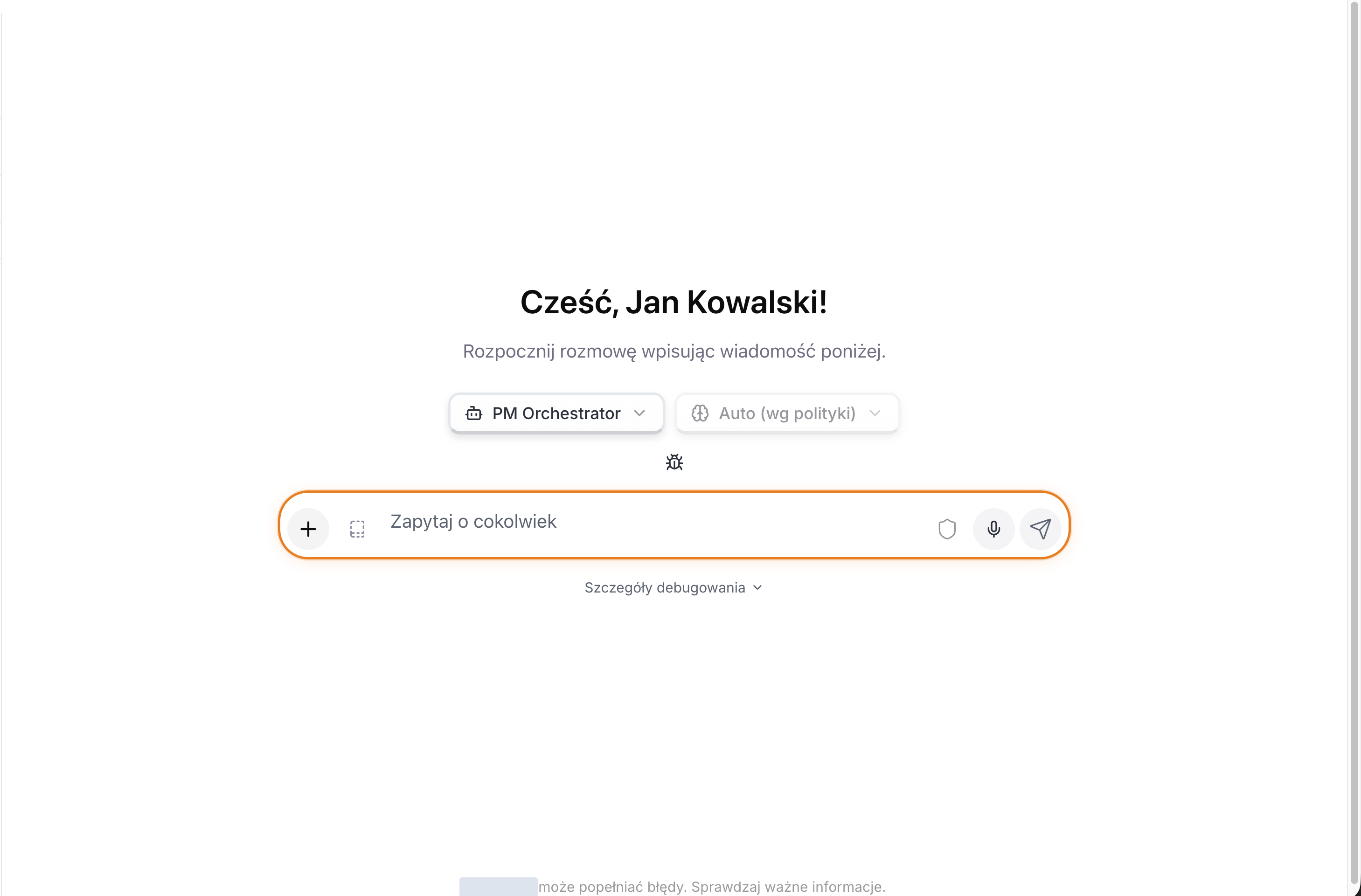
Chat with an AI digital worker

The chat window looks just like the AI chats your staff already know, so they start using it quickly.

  • A familiar chat layout from the first day
  • Choice of AI digital worker, with the model chosen by policy
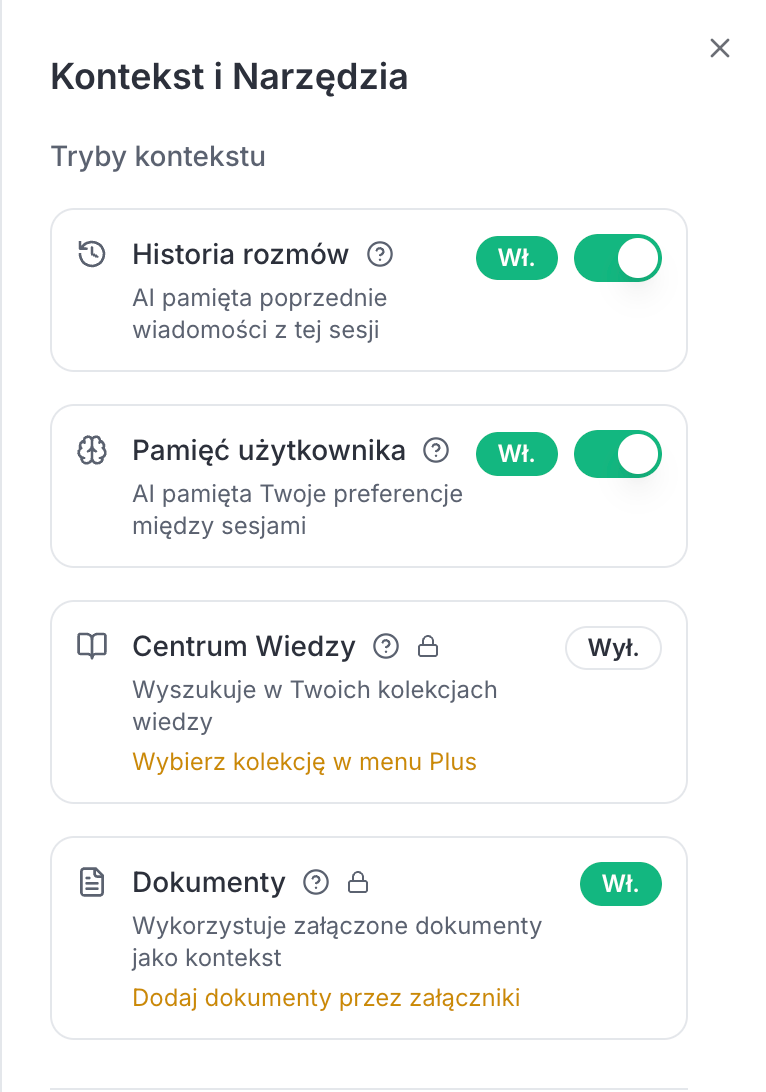
  • Files, knowledge collections and tools under the plus button

See how to use this feature in your organization.

Book a demo
Chat with an AI digital worker, real AiTrust application screen

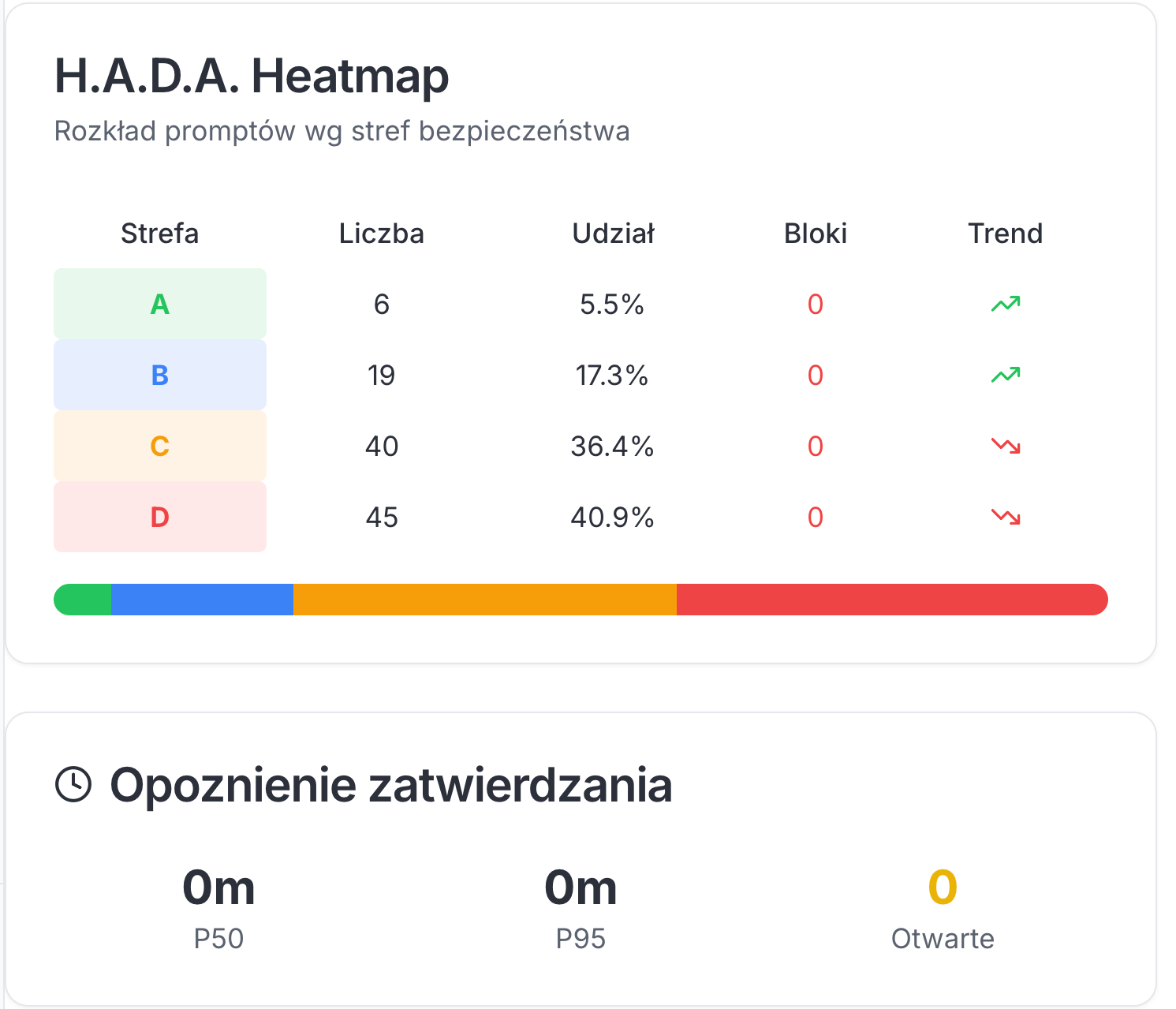
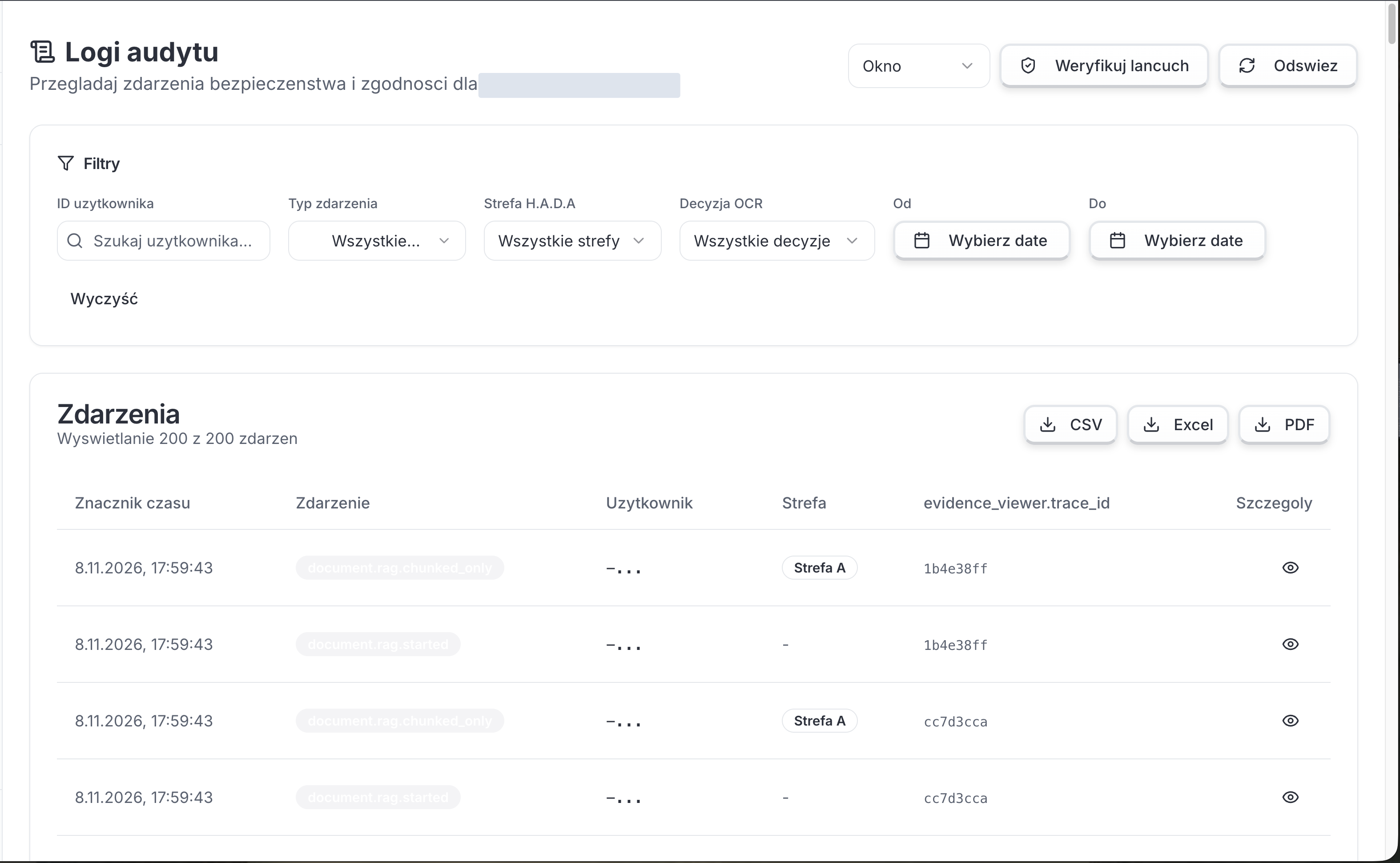
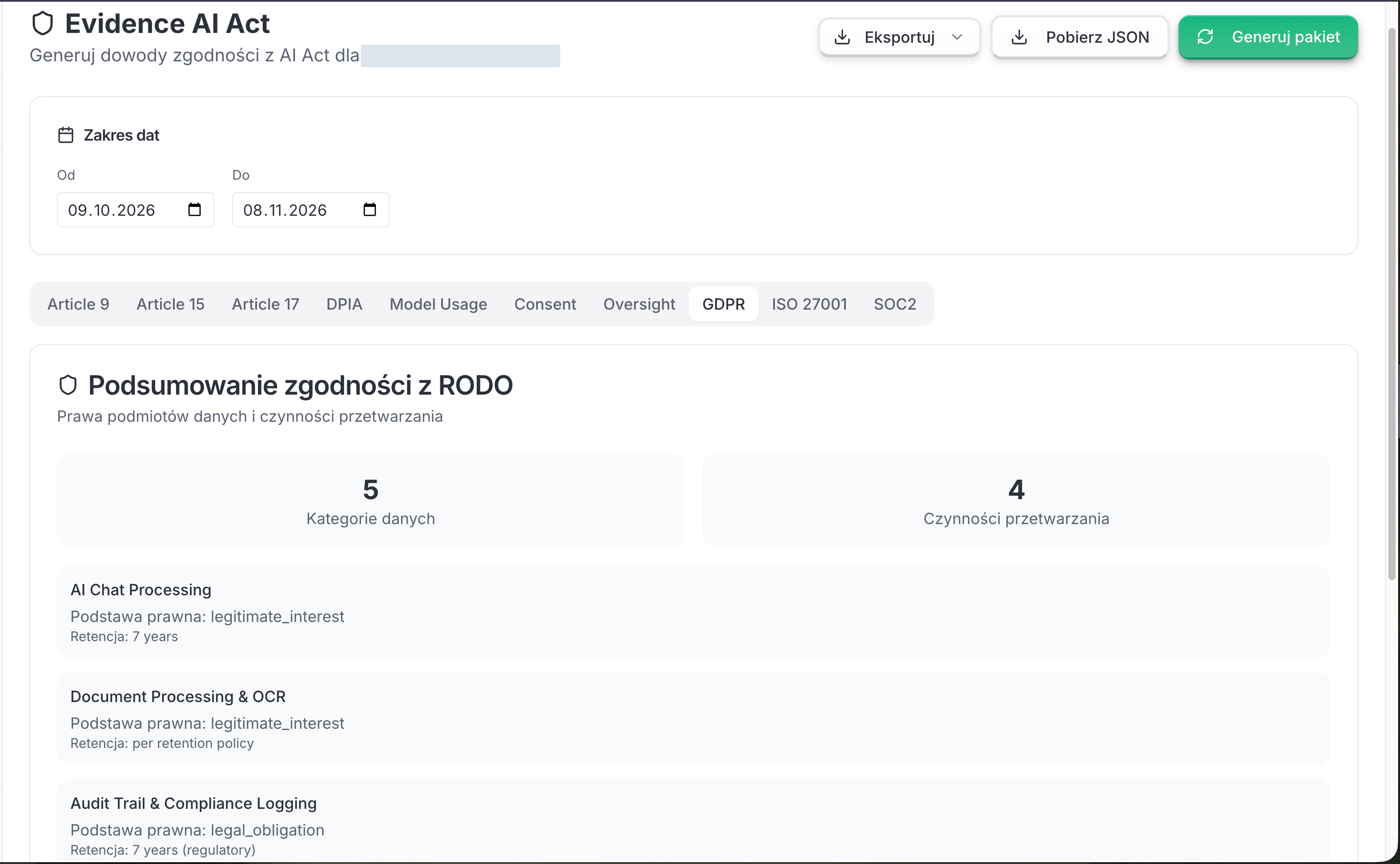
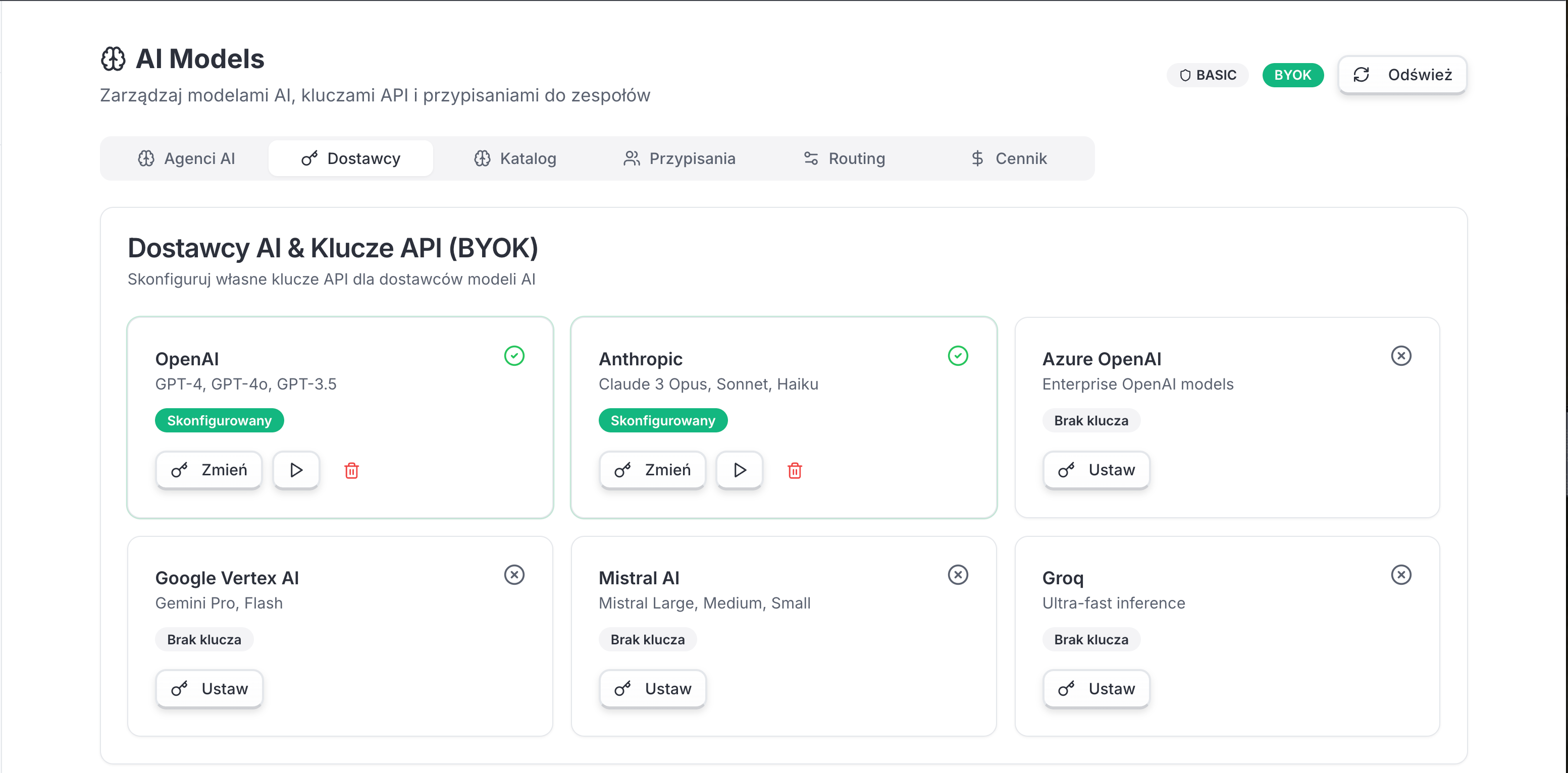
AiTrust application screens taken on 8 November 2026 with test data. Identifying data and selected labels have been hidden for this presentation. Screens show the Polish-language application interface.

Work environment

What AI digital workers work with

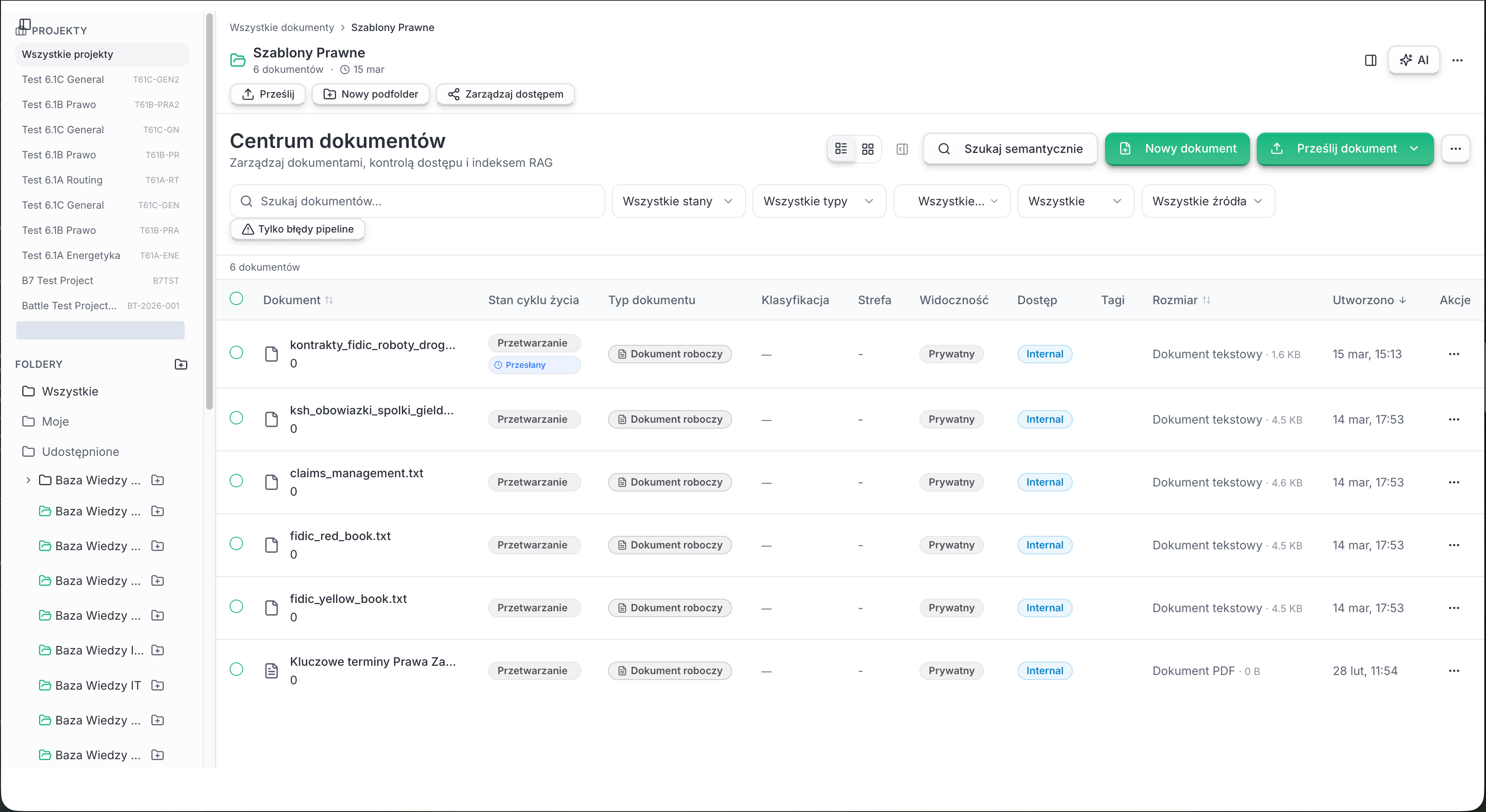
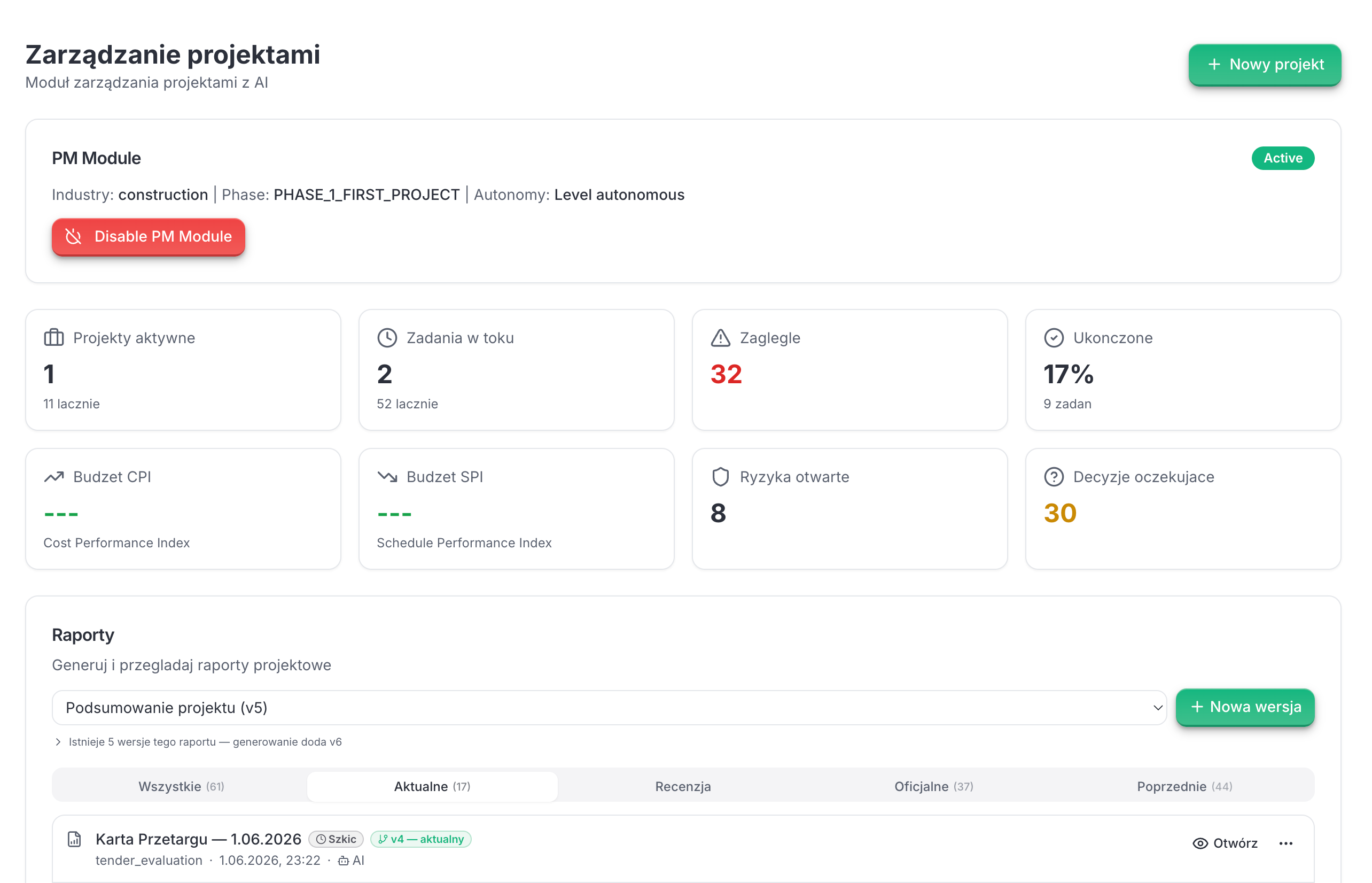
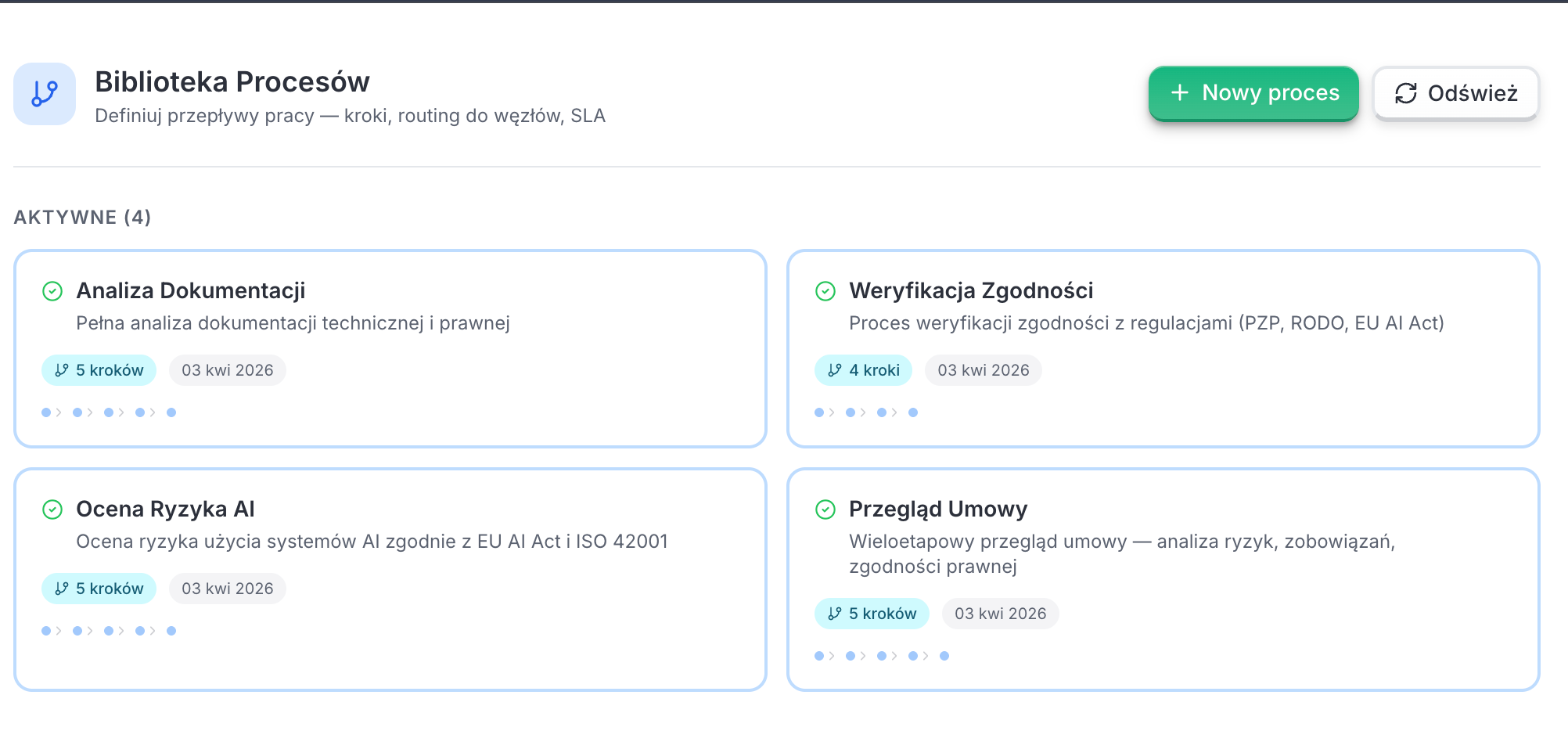
Projects, documents, tools and AI digital workers form one work context. Each element works within the organization’s policies.

  • Projects

    The task, materials and work stages in a specific process. The project context stays with the task until the result is reviewed.

    Result

    A task run in one conversation, with a chosen AI digital worker and the project context.

    What it covers

    • Task goal
    • Materials
    • Stages and result review
  • Documents

    The sources AI uses, the rules of access to them, and the result of work with a document prepared for assessment.

    Result

    The result of work with a document, prepared for editing and assessment, with defined access to the sources.

    What it covers

    • Selected sources
    • Access rules
    • Result to edit
  • Tools

    Approved actions and connections used in the process. The scope depends on the deployment configuration.

    Result

    Actions and connections approved for the task; the model is chosen by policy.

    What it covers

    • Models
    • Approved actions
    • Scope of connections
  • AI digital workers

    Assigned tasks, scope of action and the proper human approvals for operations that require them.

    Result

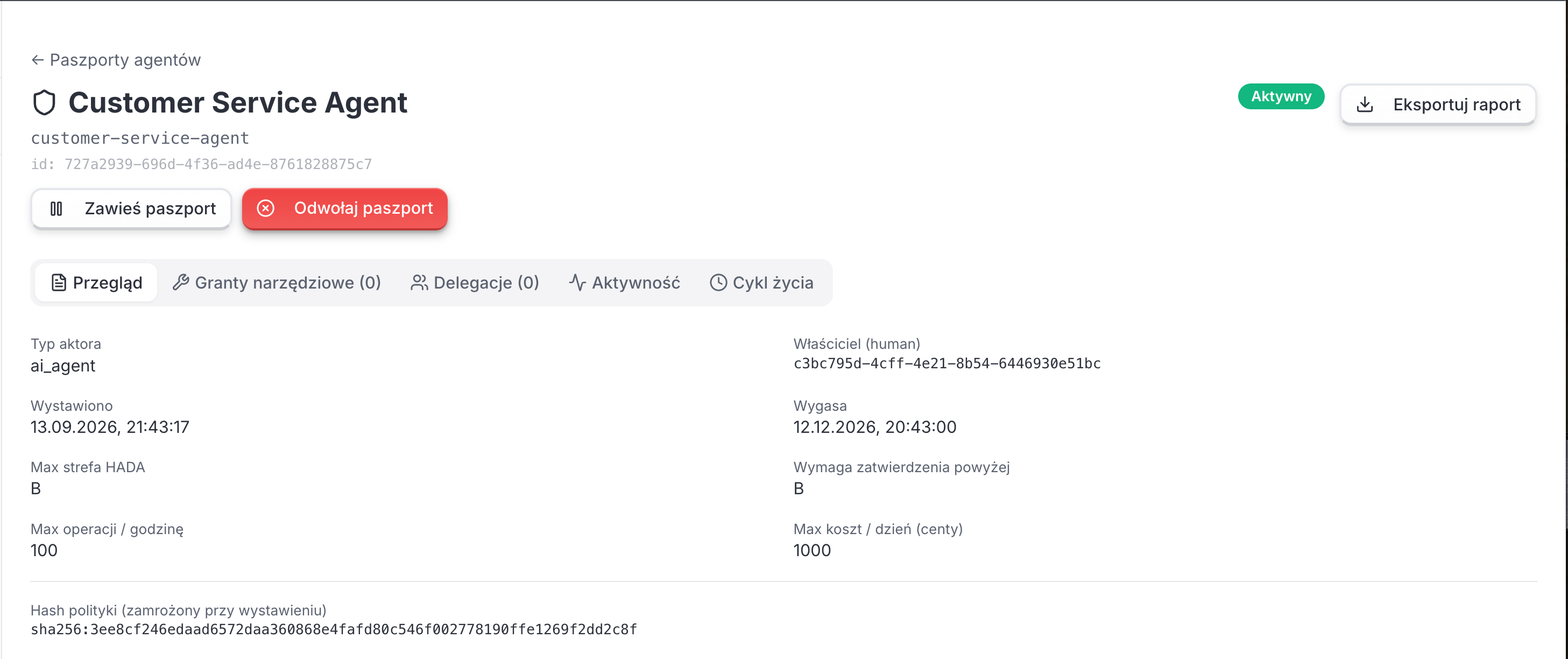
    In the AiTrust application, an AI digital worker acts as an agent on the basis of an agent passport. The passport records the maximum zone, the approval threshold, and operation and cost limits, and the extent to which they are enforced depends on the deployment.

    What it covers

    • Assigned tasks
    • Scope of action
    • Required approvals
Architecture

Architecture in brief

AI Governance with built-in policies1Documents and DMS2Knowledge and RAG3Models4Tools andAI digital workers

The policies cover every layer: data, actions, results and people’s decisions.

  1. Tools and AI digital workers

    An AI digital worker receives a defined set of tools and actions, and selected operations may require additional control or a human decision.

  2. Models

    Local and external models can be matched to process stages according to the configuration.

  3. Knowledge and RAG

    AI can use selected sources of the organization (RAG, meaning a search for information in those sources before answering) and point to the sources used in the answer, to the extent supported by the configuration.

  4. Documents and DMS

    Document repository (DMS, a document management system), permissions and the context of AI work.

AI models

Every process and every stage can have its own AI model.

You assign a model to an AI digital worker, a department and a stage. Knowledge, permissions and process rules stay in the platform, and a new model goes through verification before use.

Cloud models

  • ChatGPT
  • Claude
  • Gemini
  • Grok
  • DeepSeek

Open source and local

  • Ollama
  • Mistral
  • Kimi
  • Qwen
  • Llama

Native connection or through OpenRouter, Together and Groq; local models through Ollama and vLLM. The list of models approved in the organization is set for the deployment option.

Model names and marks belong to their owners. Llama is shown with the mark of Meta.

Example

One run of work in AiTrust

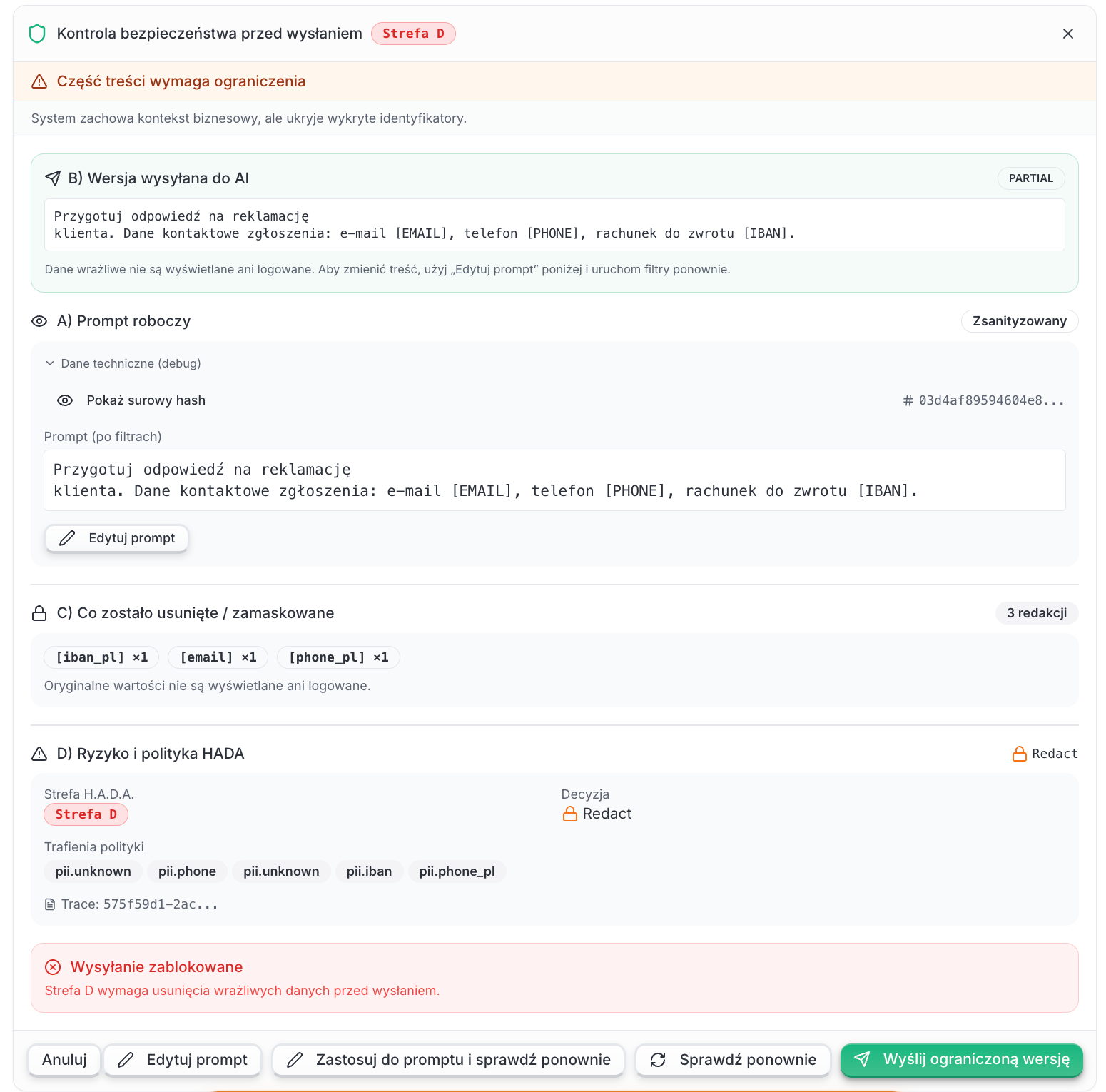
A request to answer a customer complaint: a check before sending to the model, a human decision and a result with a run record.

  1. Data and task

    A user assigns a task in a conversation

    The request: prepare a reply to a customer complaint. The content includes the contact details of the person who filed it. The selected AI digital worker handles the task, and the policy chooses the model.

  2. AI work and control

    Before AI acts.

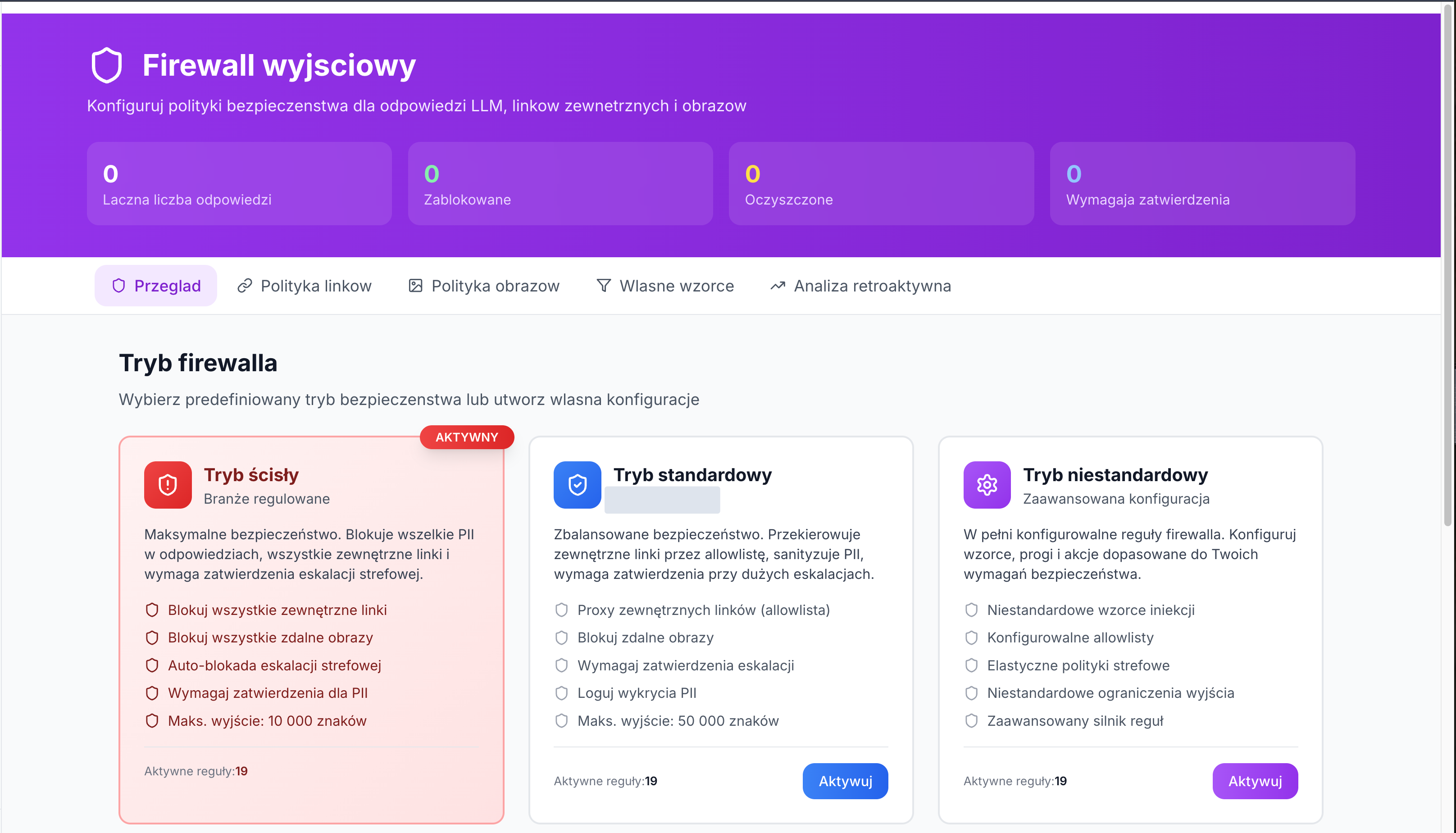
    Before sending, AiTrust shows what the model would see: detected identifiers replaced with tags, the list of redactions, the zone and the policy decision. A person chooses the next step: cancel, edit, or send a restricted version.

  3. Assessment and human decision

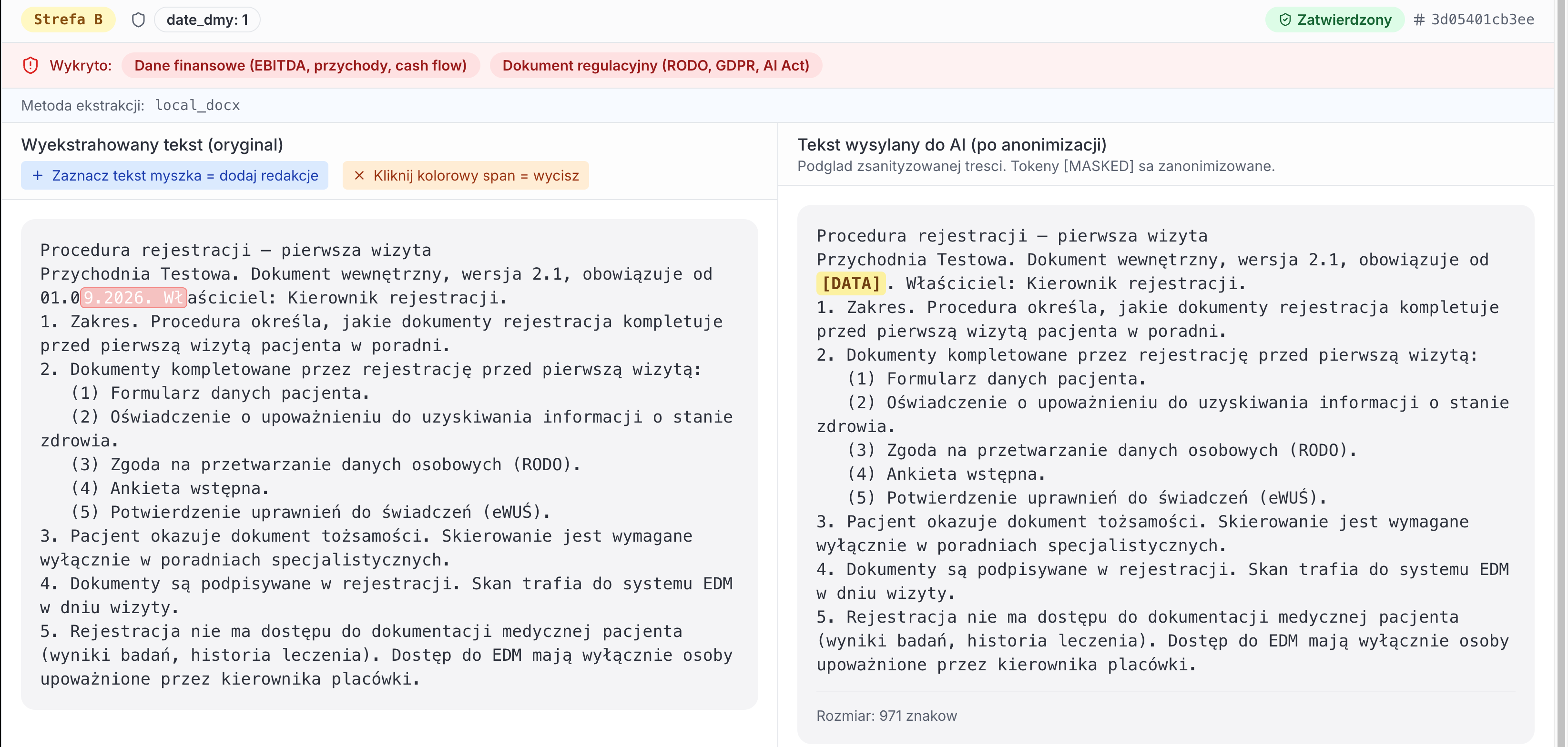
    A result to assess, with a run record

    After the decision, a draft reply is created in which the contact details remain tags. The AI send report next to the result records the zone, the decision and the number of redactions. A user assesses and uses the content.

Record of the run

  1. IntentThe user requests an action.
  2. ControlInterception before sending to the model.
  3. HumanSending stopped, the decision belongs to a person.
  4. EvidenceThe run of the operation is recorded.

The run shows how the interface behaves in this example and configuration on synthetic data; the scope of control in other processes depends on the deployment.

AI digital workers

The AI digital worker passport from issue to evidence

In the AiTrust application, an AI digital worker acts as an agent on the basis of an agent passport. The following steps show how the organization grants and withdraws the AI digital worker’s permissions and how it documents its work.

  1. Issue

    The passport is issued by a person with permission to manage tools. It records the maximum H.A.D.A. zone, the threshold that requires approval, and operation and cost limits.

  2. Assign grants

    The AI digital worker uses only the tools for which it has a grant. Before a tool is used, the status and validity of the passport and the grants are checked.

  3. Suspend or revoke

    A passport can be suspended, reactivated or revoked. An AI digital worker without an active passport will not use tools.

  4. Prove

    The passport evidence package is a ZIP archive with a manifest and hashes, covering up to 366 days. The package is not a certification or a declaration of compliance with the AI Act.

Real AiTrust application screen, the agent passport of an AI digital worker
Deployment options

AiTrust can run in the organization’s infrastructure or in a hybrid option.

The deployment configuration decides where the application, the model and the data run.

Local option (on-premise)

In the local option, that is on-premise, the AiTrust application, the local model, and the data and documents run in the organization’s infrastructure.

The organization’s infrastructure
  • AiTrust application
  • Local model
  • Data and documents
Outside the organization

With a local model, the data does not leave the organization.

Example hybrid option

In the example hybrid option, the conversation interface runs outside the organization, and work orchestration and the data and documents run in its infrastructure.

The organization’s infrastructure
  • Work orchestration
  • Data and documents
Outside the organization
  • Conversation interface
The diagrams show an example division of the options.
External connections
External connections work only within the scope set in the deployment configuration.
Cloud and local models
Cloud models connect natively or through OpenRouter, Together and Groq, and local models through Ollama and vLLM.
Working without the Internet
Working without the Internet requires local models and all the services needed in the process. An on-premise deployment alone does not determine offline operation.
Installation, maintenance and updates
The Polski Instytut AI team installs and configures AiTrust together with the organization’s IT department. As part of the subscription we provide access to new software versions and technical support. We agree the way of updating and the division of infrastructure responsibilities before the launch.
Integrations with the client’s systems
We configure the connections with the organization’s systems as part of the deployment. We set the scope of the integration based on the chosen process, the available interfaces and the required permissions. Access to the organization’s systems requires its consent and safe permissions.
Answers

What to decide for your deployment

The most common questions about documents, models, processes, result assessment, AI digital workers and deployment options.

Documents and access rules

3 answers

Working on company documents

By default in AiTrust
AiTrust runs in a local or a hybrid option. In the local option, the application, the local model, and the data and documents run in the organization’s infrastructure.
Your organization decides
Where the application and the model run, and the rules of access to documents, are set for the chosen deployment option.

Document permissions

By default in AiTrust
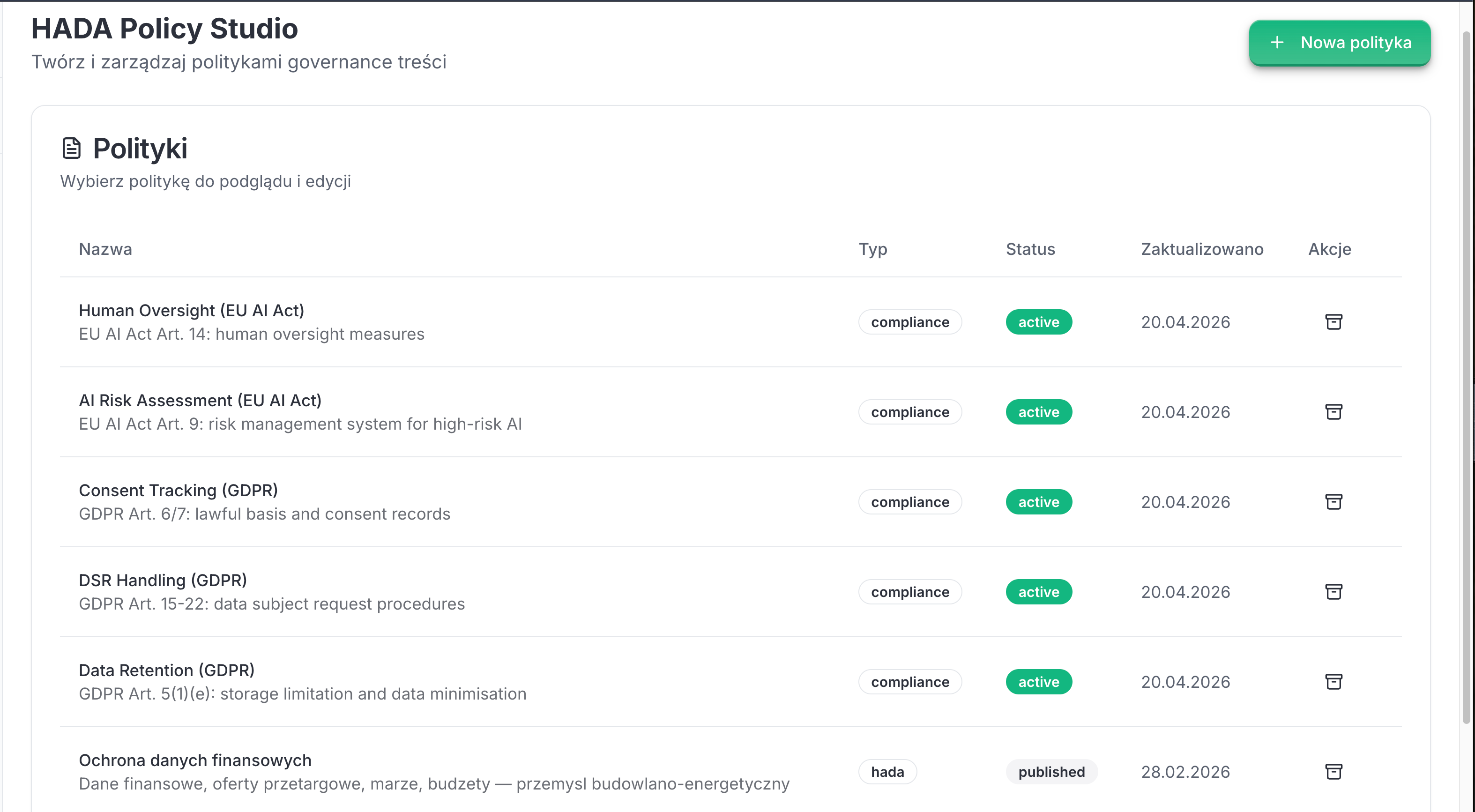
The baseline policy of the Data area for your sector has an initial configuration of document permissions and of the data check before sending to the model.
Your organization decides
The range of documents available in work with AI depends on the assigned permissions and on how the sources are configured in a given deployment.

Personal data in work with AI

By default in AiTrust
When the organization has no rules of its own, built-in patterns apply, which replace detected identifiers with tags and assign a zone in the standard profile.
Your organization decides
The organization decides what data a given use works on, who receives it and where it is processed. GDPR compliance depends on the legal basis for processing, the contracts and how work is organized.

Choice of models

4 answers

Tools and models in the task

By default in AiTrust
The AI digital worker uses only the tools for which it has a grant. Before a tool is used, the status and validity of the passport and the grants are checked.
Your organization decides
The organization matches tools and models to the task, and the scope of connections and approved actions depends on the deployment configuration.

Choice of models and API access

By default in AiTrust
Cloud models connect natively or through OpenRouter, Together and Groq, and local models through Ollama and vLLM. The baseline policy of the AI area names the allowed models and what they are used for.
Your organization decides
The organization provides proper access to the provider’s API, because a subscription to a chat application does not mean API access. The list of supported models is set for the deployment option.

A model matched to the process stage

By default in AiTrust
The model is assigned to an AI digital worker, a department and a stage. A new model goes through verification before use.
Your organization decides
For each stage of work, the organization decides the model, the data, the tools and the required approvals.

Tokens and usage cost

By default in AiTrust
The passport of each AI digital worker records its operation and cost limits.
Your organization decides
The organization sets the level of the limits. When comparing the cost of AI work, the organization includes tokens, validation, retries and running the process, and an estimate is not a provider’s invoice.

Matching the model to the stage requirements

By default in AiTrust
The local-only option does not use cloud models.
Your organization decides
The model suitable for a stage is chosen according to the organization’s rules.

Processes, projects and documents

2 answers

Projects, inquiries and preparing a quote

By default in AiTrust
The starting point is a ready process template for your sector, shown on example data. A configured and tested process is created once the template is fitted to the organization.
Your organization decides
For work on an inquiry, a quote and project tasks, the organization decides the stages, the knowledge sources and the required approvals.

Output formats and editing

By default in AiTrust
Set in the deployment project.
Your organization decides
Output formats, the way of editing and the available tools are set for a specific deployment.

Response assessment and sources

3 answers

When AI gets it wrong

By default in AiTrust
Response assessment supports people but does not determine whether the result is correct.
Your organization decides
Before using a result, the organization checks its sources, because AI can be wrong even when it uses company documents.

Sources and how responses are assessed

By default in AiTrust
The baseline policy of the Knowledge area names the organization’s sources, and the response can point to the sources used, to the extent supported by the configuration. The response is checked before display.
Your organization decides
The organization decides which sources and what way of assessing the result are required in the given process.

Reviewing the result before a decision

By default in AiTrust
The baseline policy of the Decisions area for your sector sets when a result needs a human review and approval.
Your organization decides
The organization decides what requires human review and what content or action the approval of an AI result covers.

Actions of AI digital workers and approvals

2 answers

Human decision in the process

By default in AiTrust
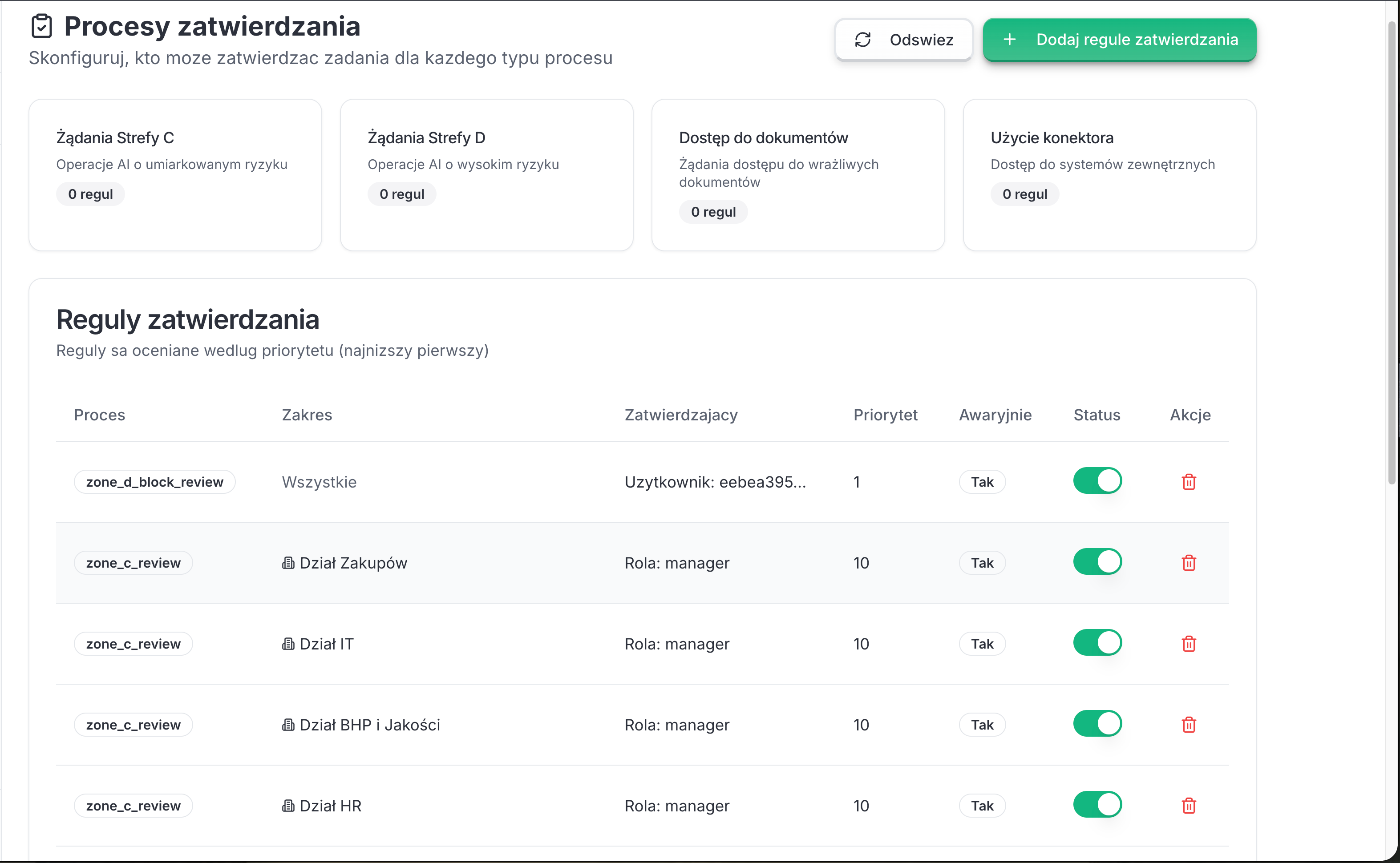
In the standard profile, an operation in zone C waits for approval by an authorized person other than the requester, and sending in zone D is held.
Your organization decides
In the process, the organization decides where a human decision is required, and it distinguishes consent to an action from approval of the content of a specific document version.

Actions of AI digital workers

By default in AiTrust
An AI digital worker without an active passport will not use tools, and it uses a tool only on the basis of a grant.
Your organization decides
The organization decides which actions of an AI digital worker may be performed on their own and which require a decision by an authorized person.

Location and deployment options

7 answers

A local AI model in your company

By default in AiTrust
We select the local model and the environment configuration to suit the organization’s processes, documents and needs. AiTrust does not require you to be tied to a single model provider. We set the detailed technical requirements while preparing the deployment.
Your organization decides
The organization names the tasks, the documents and the expected load, on which the choice of a local model and server resources depends. The specific configuration goes into the deployment specification.

On-premise deployment

By default in AiTrust
The Polski Instytut AI team installs and configures AiTrust together with the organization’s IT department. As part of the subscription we provide access to new software versions and technical support. We agree the way of updating and the division of infrastructure responsibilities before the launch.
Your organization decides
The organization agrees with us the responsibility for the infrastructure, the backups and the way updates are installed. We record it in the deployment arrangements.

Working without Internet access

By default in AiTrust
AiTrust can work in the local option, in which the application, the local model, and the data and documents run in the organization’s infrastructure. Local models connect through Ollama and vLLM.
Your organization decides
Working without the Internet requires local models and all the services needed in the process, including search, OCR and the editor. The configuration and the dependencies of the process decide it.

Sending data outside the company

By default in AiTrust
AiTrust controls queries in the configured paths and does not automatically block an employee who uses a private account in another AI tool.
Your organization decides
Blocking of sending from private accounts, browsers and other applications is provided by the organization with controls on devices and in the network.

Masking data in queries

By default in AiTrust
The model receives the context after sanitization of designated data categories, and detected identifiers are replaced with tags. The built-in patterns work on the server side, without AI, and do not mask names, addresses or medical terms.
Your organization decides
The organization sets its own rules and the scope of detection in the configuration. Masking is not irreversible anonymization.

Confidential data in a law firm, a hospital and under TISAX

By default in AiTrust
The baseline policy takes into account the confidential data typical of your sector, for example professional secrecy in a law firm or health data in healthcare. The policy also has an initial configuration of the data check.
Your organization decides
The organization assesses whether processing confidential data is permissible according to professional secrecy, sector requirements and contracts. GDPR, NIS2 and TISAX do not generally prohibit the cloud.

Choosing a vendor and the option to exit

By default in AiTrust
AiTrust provides an export of the records and the evidence package of the agent passport, that is, the passport of the AI digital worker. The package is a ZIP archive with a manifest and hashes, covering up to 366 days.
Your organization decides
Before deployment, the organization decides the scope of export of the data, documents and configuration needed to change the solution later.

Documenting work

1 answer

Record of events and decisions

By default in AiTrust
With the response, an AI send report is created with the zone, the decision and the number of redactions, and the next stages of the run leave a record.
Your organization decides
The scope of the record of events and decisions and how long it is retained are set for the configuration and the path it covers.

Methodology

The AiEnclava methodology in AiTrust

AiEnclava is the methodology used in AiTrust. It divides the rules of working with AI into four areas. They answer what AI may do, where a person decides, whether the organization is ready and how to protect systems. You will find the details on the page of each area.

Control examples

What control looks like in the workflow

Six examples show where boundaries, risk assessment, a human decision and the record appear in the run.

Requirements and deployment scope

Legal and organizational requirements are determined for a specific use of AI. The deployment scope, responsibilities and the way work is documented should be agreed before the process starts.

PIAI certifications

Certified management systems behind AiTrust

AiTrust is developed by Polski Instytut AI, the Polish AI Institute. Our certified management systems cover information security, privacy, quality and artificial intelligence. View our certificates, their scope and validity periods to support your organization’s supplier assessment and procurement process.

  • Information security management

    ISO/IEC 27001

    Standard
    PN-EN ISO/IEC 27001:2023-08
    Certificate number
    09/02/2026/TS/WA/3026/46
    Organization
    Polski Instytut AI Sp. z o.o.
    Certification body
    Europejskie Centrum Jakości i Promocji Sp. z o.o.
    Issued
    9 February 2026
    Valid until
    8 February 2029
    Scope of certification as stated in the certificate (in Polish)

    Projektowanie, rozwój oraz wdrażanie zaawansowanych systemów Sztucznej Inteligencji (AI), ze szczególnym uwzględnieniem architektur RAG (Retrieval-Augmented Generation), automatyzacji procesów biznesowych (Workflow Automation), bezpiecznego zarządzania i analityki zbiorów Big Data oraz doradztwa w zakresie benchmarkingu rozwiązań AI, zgodnie z Deklaracją Stosowania (SoA) w wersji 2026/1/POLSKA-AI.

  • Privacy information management

    ISO/IEC 27701

    Standard
    ISO/IEC 27701:2025
    Certificate number
    03/08/2026/TS/WA/4105/03
    Organization
    Polski Instytut AI Sp. z o.o.
    Certification body
    Europejskie Centrum Jakości i Promocji Sp. z o.o.
    Issued
    3 August 2026
    Valid until
    2 August 2029
    Scope of certification as stated in the certificate (in Polish)

    Zarządzanie prywatnością informacji oraz ochroną danych osobowych w projektowaniu, rozwoju, wdrażaniu, utrzymaniu, eksploatacji i nadzorze nad systemami sztucznej inteligencji, rozwiązaniami LLM, RAG, AI Governance, AI Lifecycle Management, automatyzacją i orkiestracją procesów, zarządzaniem danymi oraz architekturami on-premise, hybrydowymi i chmurowymi, z uwzględnieniem ról administratora, podmiotu przetwarzającego i subprocesora, minimalizacji, anonimizacji, pseudonimizacji, retencji, praw osób, audytowalności, rozliczalności, bezpieczeństwa, suwerenności i kontroli danych.

  • Quality management

    ISO 9001

    Standard
    PN-EN ISO 9001:2015-10+A1:2025-03
    Certificate number
    30/01/2026/TS/WA/2973/204
    Organization
    Polski Instytut AI Sp. z o.o.
    Certification body
    Europejskie Centrum Jakości i Promocji Sp. z o.o.
    Issued
    30 January 2026
    Valid until
    29 January 2029
    Scope of certification as stated in the certificate (in Polish)

    Przygotowanie oraz realizacja projektów szkoleniowych i doradczych. Projektowanie, wdrażanie oraz integracja rozwiązań informatycznych opartych o sztuczną inteligencję, audyty technologiczne oraz doradztwo w zakresie cyberbezpieczeństwa i regulacji prawnych.

  • Artificial intelligence management

    ISO/IEC 42001

    Standard
    ISO/IEC 42001:2023
    Certificate number
    01/04/2026/TS/WA/3379/174
    Organization
    Polski Instytut AI Sp. z o.o.
    Certification body
    Europejskie Centrum Jakości i Promocji Sp. z o.o.
    Issued
    1 April 2026
    Valid until
    31 March 2029
    Scope of certification as stated in the certificate (in Polish)

    Projektowanie, rozwój, wdrażanie, eksploatacja oraz nadzór nad systemami sztucznej inteligencji, w tym rozwiązaniami opartymi na LLM i RAG, wraz z zarządzaniem ryzykiem AI, cyberbezpieczeństwem, zarządzaniem danymi, cyklem życia AI oraz nadzorem człowieka, realizowane w środowiskach on-premise, hybrydowych i chmurowych.

    Doprecyzowanie zakresu:

    Zakres obejmuje działalność organizacji w obszarze projektowania, opracowywania, integracji, wdrażania, utrzymania oraz nadzoru nad systemami AI oraz usługami z nimi związanymi, realizowanymi dla klientów z sektorów regulowanych i infrastruktury krytycznej.

    Zakres obejmuje w szczególności:

    • systemy AI oparte na dużych modelach językowych (LLM),
    • architektury typu RAG (Retrieval-Augmented Generation),
    • systemy automatyzacji i orkiestracji procesów z wykorzystaniem AI,
    • rozwiązania w zakresie AI Governance oraz AI Lifecycle Management.

    Zakres obejmuje również:

    • zarządzanie ryzykiem AI,
    • cyberbezpieczeństwo systemów AI,
    • zarządzanie danymi, w tym pochodzeniem danych (data provenance) i kontrolą źródeł,
    • nadzór człowieka (human oversight),
    • monitoring, audytowalność oraz zarządzanie incydentami AI,
    • zarządzanie zmianą modeli, danych i logiki systemów AI,
    • nadzór nad łańcuchem dostaw technologii AI (AI supply chain).

    Środowiska operacyjne objęte zakresem:

    • wdrożenia on-premise (w tym środowiska izolowane i o podwyższonych wymaganiach bezpieczeństwa),
    • architektury hybrydowe,
    • środowiska chmurowe (w tym prywatne i dedykowane).

    Zakres obejmuje zarówno systemy rozwijane i utrzymywane przez organizację, jak również wdrażane i nadzorowane w środowiskach klientów.

Certification applies to the Polish AI Institute’s management systems within the scope stated in each certificate.

The certificates are issued in Polish.

See your process with AI digital workers.

We will show the stages of the AI digital workers’ work, the data and documents needed, the decision points and the policies that will cover the process.

Request an AiTrust demo

Leave your contact details. We’ll agree on the scope of the demo and show how AiTrust can support your organization’s processes.

The controller of the data provided in this form is Polski Instytut AI Sp. z o.o. We will use the data to answer your request and arrange the demo. More information, including your rights, is in the documents GDPR information notice and Privacy policy.

* required field

Want to add your company, phone or a description of the task? Open the full form